

Desiccants as Packaging Materials
Considering Desiccants Right from the Start
Desiccants have various applications: on the one hand, they can serve as packaging materials for the transport and storage of products; on the other hand, as a component, they can be an integral part of an entire system.
This article explains which requirements desiccants must meet as packaging materials and what matters when it comes to moisture protection in packaging.
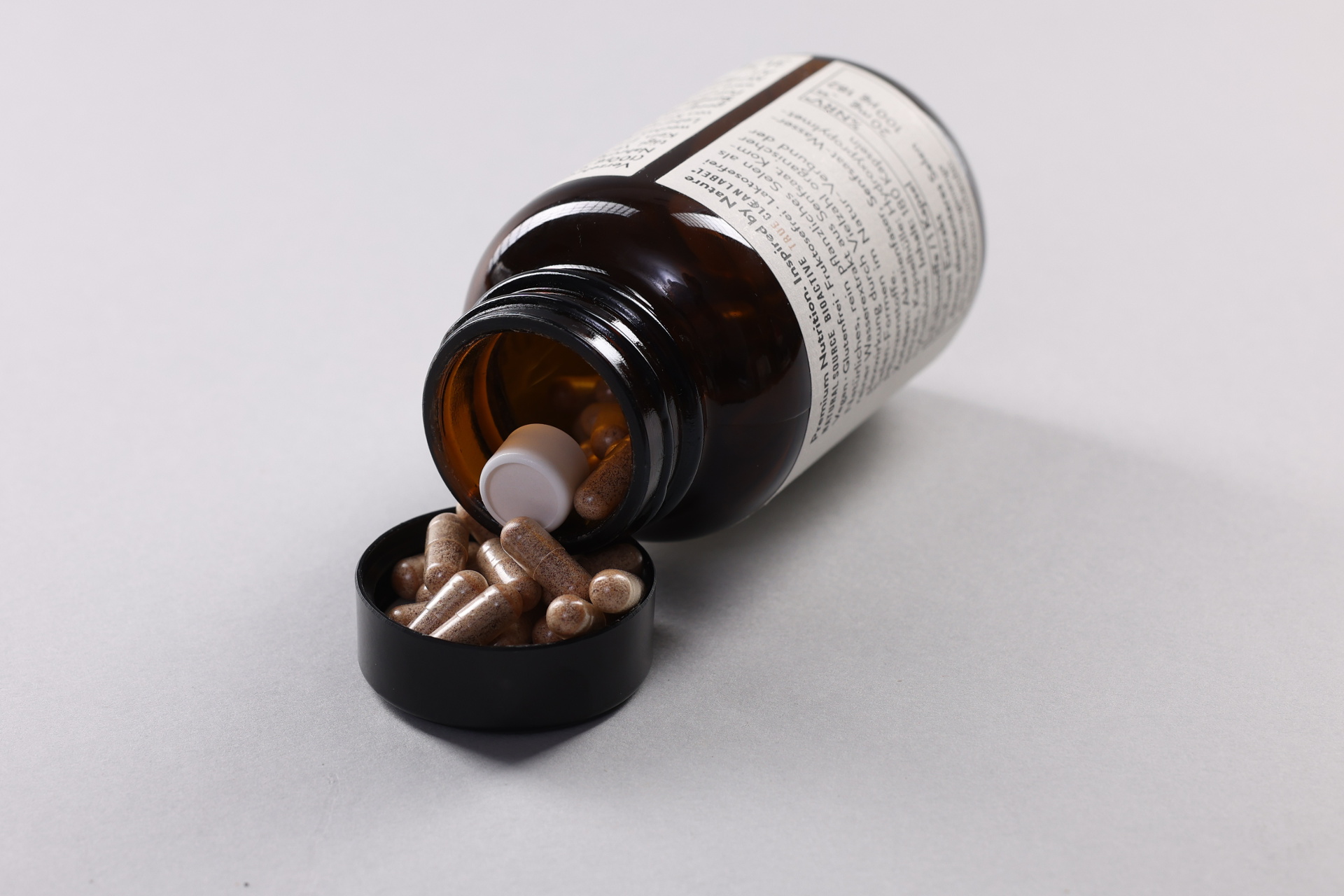
In the pharmaceutical industry, desiccants are used as primary packaging materials to prevent products and active ingredients from becoming unstable due to moisture. Many active ingredients are moisture-sensitive and must be kept dry. In diagnostic tests, desiccants prevent the substances they contain from reacting prematurely with moisture before the actual sample to be tested — e.g. saliva, urine or blood — is added. Particularly in the food sector, products can spoil if too much moisture enters the packaging. Here, desiccants extend shelf life or prevent, for example, unattractive clumping in powders.
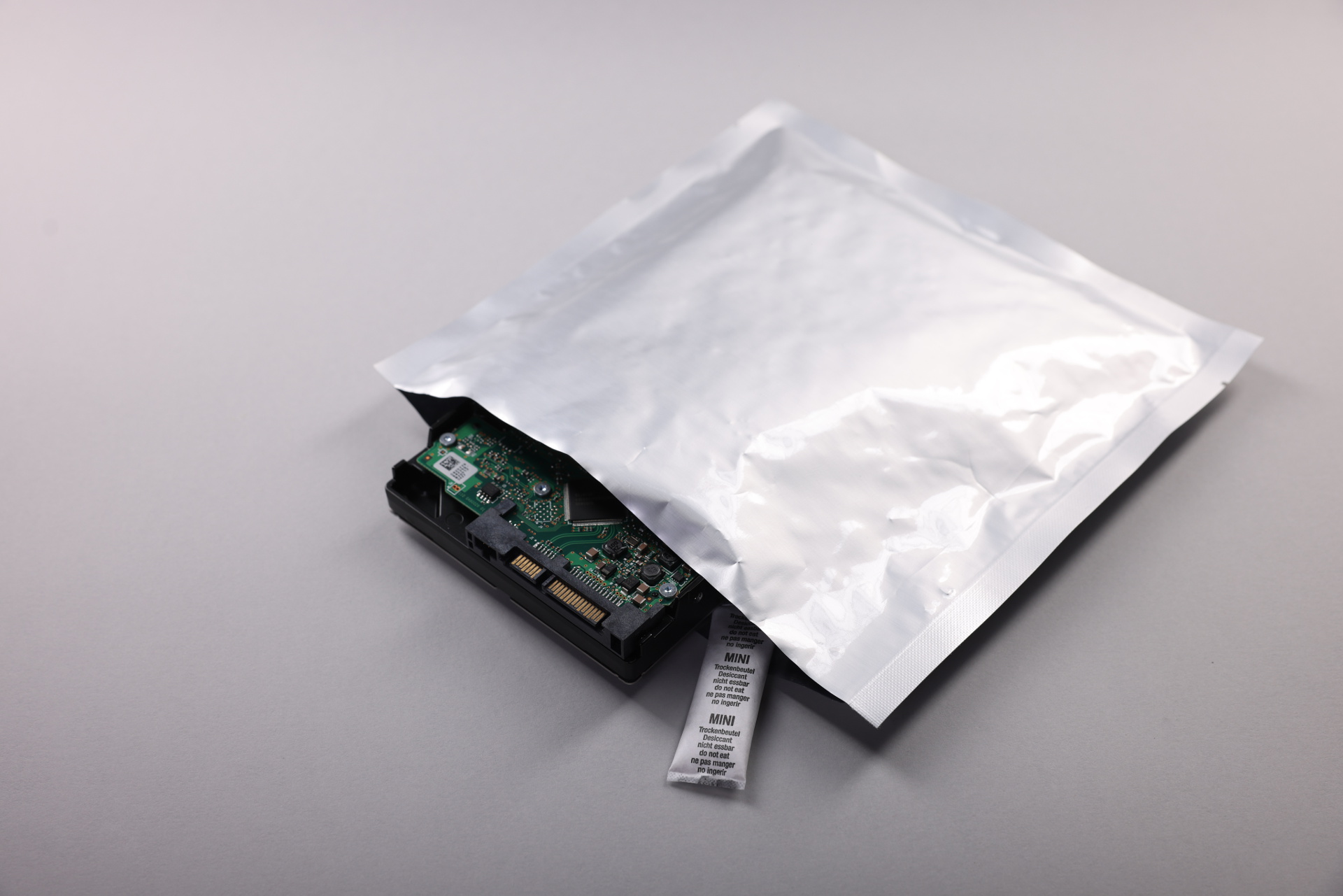
Desiccants are also required as packaging materials in industry when components could corrode during transport due to moisture. Moisture is equally problematic in electronics: chips or contacts can be damaged by condensation and must therefore be packaged and stored in dry conditions.
Factors Influencing Desiccants as Packaging Materials
For reliable product protection, the packaging itself is crucial. To hermetically seal the product, a tight PE bag, aluminium composite film, or an aluminium seal disc that closes a container or similar packaging can be used. The packaging must already provide very good protection against water vapour from the outside.
In addition, the ambient conditions during the packaging process must be controlled. Humid production conditions with high relative humidity should be avoided. The handling of the desiccants is also decisive — in other words, when is the delivered desiccant removed from its protective packaging and further processed? The time between removal and final packaging should be as short as possible, because from that moment on the desiccant is directly exposed to moisture and begins to become saturated before its actual use.
When calculating the required amount of desiccant, the storage period is an important factor — that is, how long the desiccant must provide protection. The duration is linked to the water vapour permeability of the outer packaging, which must be included in the calculation, as must the ambient temperature acting on the packaging. This also applies to the climatic conditions along the transport route: it makes a difference whether goods are shipped to Finland or by sea to Singapore. In the latter case, the water vapour permeability of the outer packaging is higher.
Bag Material: Tyvek® and Nonwoven Fabric
The material used for desiccant bags depends on the intended application. For the strict regulations in the healthcare sector, Tyvek® is used because it is particularly low in particles and highly durable. It is also characterized by high surface tear resistance, making it suitable for packaging sharp-edged parts in industrial applications. For standard applications with lower requirements, more cost-effective nonwoven bags are used.
Considering Desiccants Right from the Start
As a general rule, desiccants should be considered right from the beginning of the packaging process: How and when will the desiccant bag — or alternatively the desiccant capsule — be inserted, and how should the processes be designed? If these factors are not taken into account from the start, there may later be a lack of space or cycle time, resulting in expensive follow-up costs — for example, due to machine retrofitting.
In one customer project, 20 units of a food product were to be placed in one shared package and fitted with desiccant. Since the process had not been designed for this, the products would have remained open for too long before the desiccant could be inserted and the outer packaging closed. As an alternative, individual small packages had to be used to ensure the products’ shelf life, which resulted in additional costs and significantly more packaging waste.
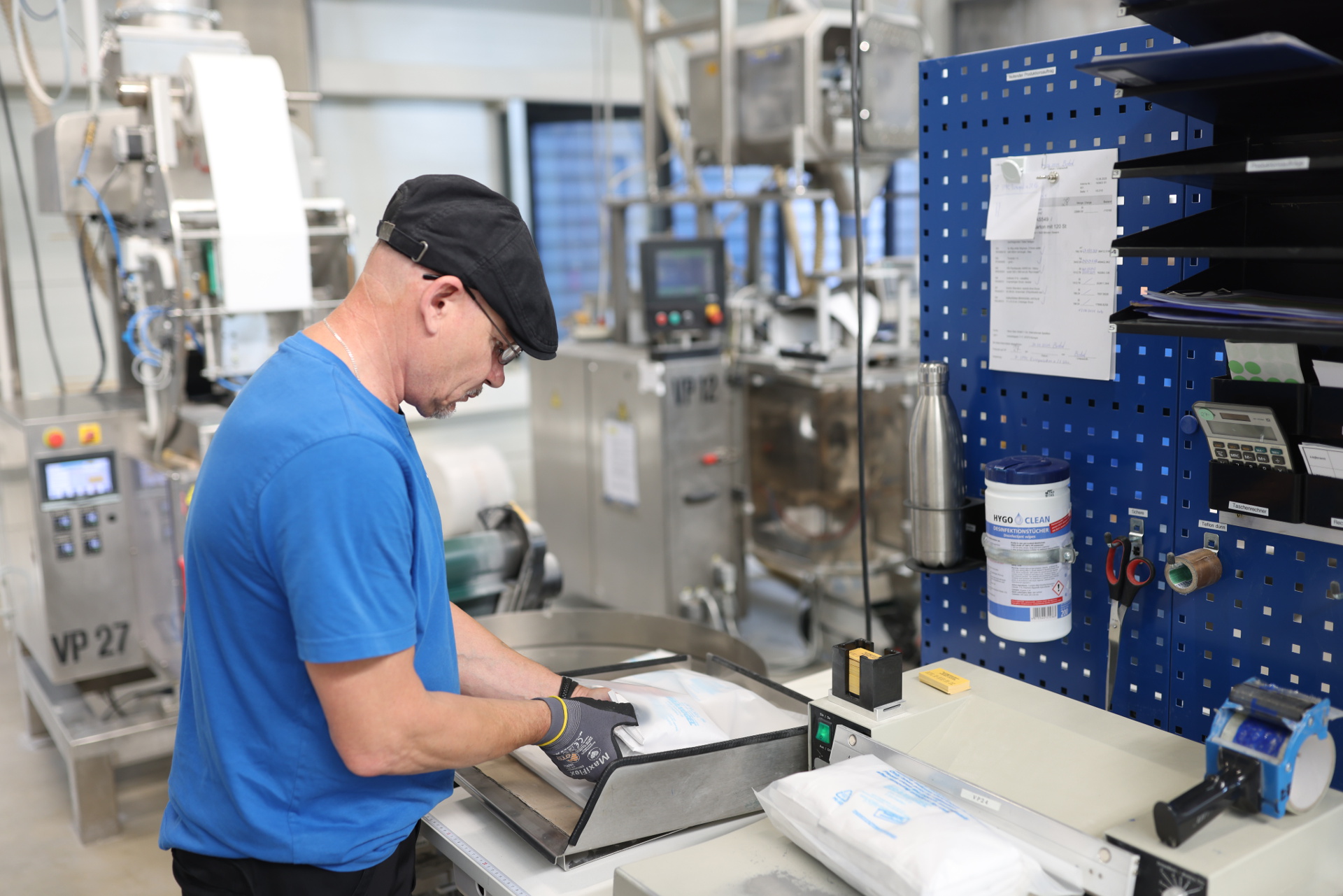
From the very first customer inquiry, we provide advice on taking ambient conditions into account, integrating desiccants into the packaging process, storage, and the transport route — so that the customer does not experience any unpleasant surprises. Documentation is also important for packaging, so that the customer can prove that the packaging is safety-compliant and contains the appropriate amount of desiccant, for example for internal audits. The required desiccant quantities are therefore calculated in accordance with DIN 55474 — this is particularly important for export packaging or long-term storage.
TROPACK – you can count on us
TROPACK products comply with the highest quality standards according to DIN 55473 (12/2015). Our desiccants meet the relevant requirements established by the European Union (e.g. EC 1935/2004) and the US Food & Drug Administration FDA (e.g. 21 CFR part 175/part 177).
TROPACK quality standards are regularly verified in the form of DIN 55473 and ISO 9001 certifications.That’s something industry, the retail market and consumers alike can count on. TROPACK desiccants are food-safe, contaminant-free, odourless and renewable. (We expressly refrain from using dimethyl fumarate (DMF)!)